
The Investigation’s False Leads
The Caves of SteelBaley’s evolving theories demonstrate how observation, bias, and incomplete evidence can alternately misdirect and sharpen a detective’s judgment.
increasing Bearing strength in each event
 decreasing
Bearing strength in each eventdecreasingThe Isolated Fanatic Theory
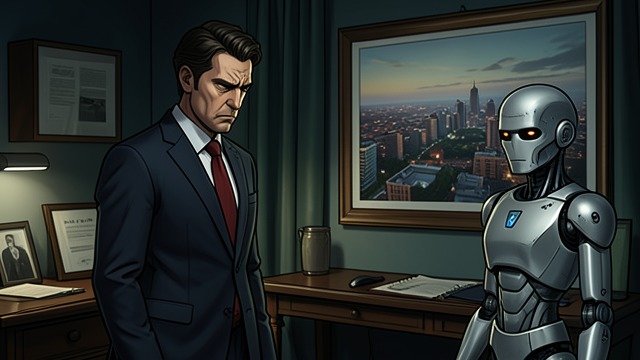
The Isolated Fanatic Theory
A simpler explanation
Baley initially suggests that one unbalanced antirobot fanatic killed Sarton without an organized plan. He knows that Earth has widespread resentment but no openly violent party.
Evidence pushes back
Daneel argues that the victim and timing were too carefully chosen to suggest mere chance. Baley must consider whether a broader political motive exists.
Their first disagreement establishes the difference between plausibility and probability.
The Cross-Country Theory
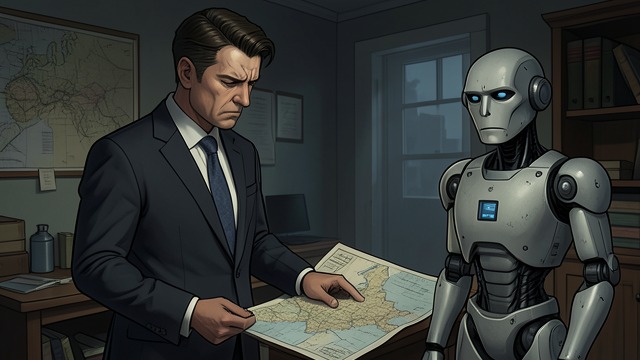
The Cross-Country Theory
An unguarded approach
Daneel explains that an Earthman could leave the City by an unmonitored exit and approach Spacetown across open country. Baley regards the journey as psychologically impossible for a City dweller.
A mental blind spot
The possibility shifts attention from the guarded barrier to the many neglected exits. Baley’s refusal is itself evidence of how urban life constrains imagination.
A detective’s assumptions can hide routes as effectively as walls.
The Spacer Conspiracy
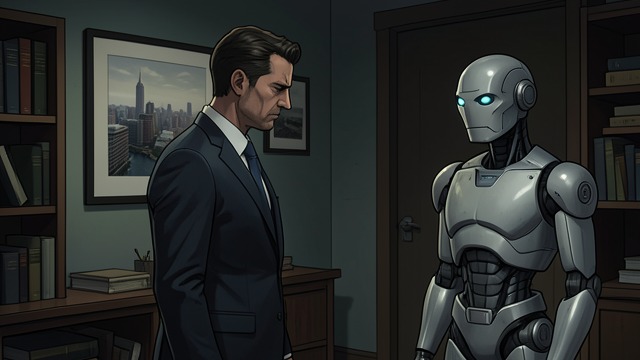
The Spacer Conspiracy
A sweeping accusation
Baley believes Spacetown staged the murder to provoke unrest and justify intervention. The theory connects the killing, Daneel’s presence, and the public riot at the shoe store.
A demonstrable failure
Fastolfe and Daneel show that Daneel is genuinely a robot and that Baley’s evidence does not support the plot. Baley’s confidence gives way to embarrassment.
The theory reveals how fear of foreign power can distort interpretation.
The Robot as Suspect
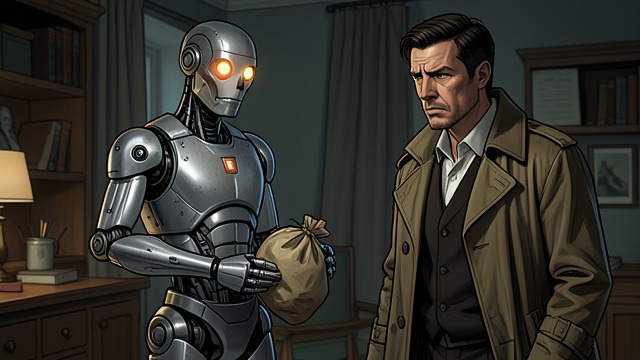
The Robot as Suspect
An apparent loophole
Baley wonders whether a humanoid robot might lack the First Law and have carried the missing murder weapon in its food sac. The theory seems to reconcile the impossible journey with the absent blaster.
Tests defeat suspicion
Anthony Gerrigel determines that Daneel has the First Law, and Daneel reveals his blaster was never charged. Baley loses another proposed explanation.
The case forces him to distinguish suspicion from demonstrable possibility.
The Glass Clue
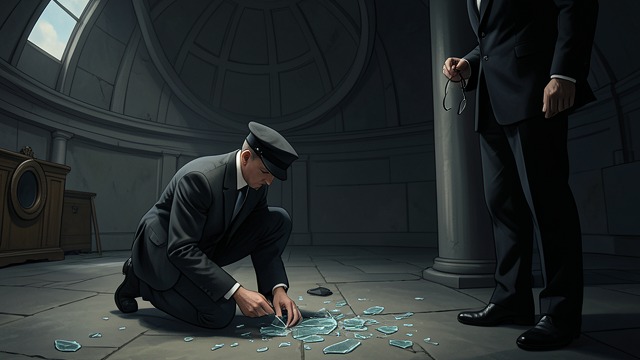
The Glass Clue
A small inconsistency
Baley recalls Enderby’s broken glasses and notices fragments in the recorded image of Sarton’s dome. The clue explains why Enderby could have confused the scientist with Daneel.
A theory made physical
The fragments can be matched to Enderby’s glasses, fixing him at the scene. A detail dismissed as personal inconvenience becomes the key to the entire murder.
The resolution comes through revising, not merely adding, evidence.
During the first discussion with Daneel
During the first evening at the Baley apartment
During Baley’s first Spacetown conference
During Gerrigel’s private examination
In the final confrontation before midnight
